Porta 95 SUPDUP: Remote Terminal Protocol Obsoleto (Rilevanza Storica
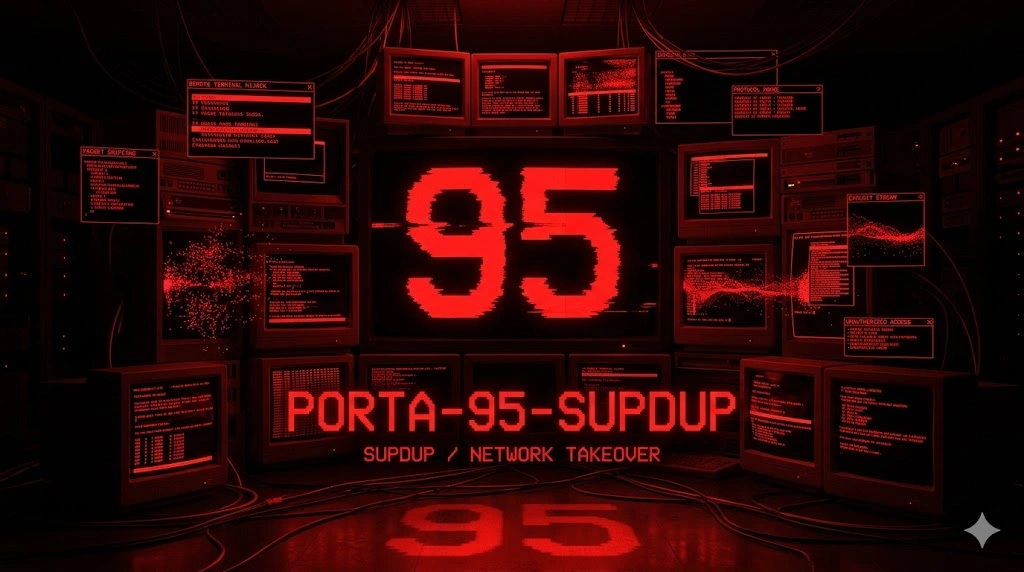
Porta 95 aperta durante una scansione? SUPDUP è defunto dagli anni '90. Scopri come identificare il servizio reale: web server nascosto, app custom o honeypot.
- Pubblicato il 2026-04-24
- Tempo di lettura: 3 min
La porta 95 era utilizzata da SUPDUP (SUPer-DUPlicate) — un protocollo di remote terminal sviluppato al MIT negli anni ‘70 come predecessore di Telnet, specificamente progettato per terminali DEC (Digital Equipment Corporation) e ITS (Incompatible Timesharing System). SUPDUP operava su TCP porta 95 fornendo accesso remote shell a mainframe PDP-10 e LISP machines. In penetration testing moderno, la porta 95 è completamente obsoleta — nessun sistema operativo moderno implementa SUPDUP, l’ultimo server attivo risale agli anni ‘90, e trovarla aperta nel 2026 è impossibile outside simulazioni storiche o honeypot. Questa guida documenta SUPDUP per context storico e per distinguere porta 95 da servizi modern se erroneamente identificata.
SUPDUP è defunto perché Telnet (porta 23) lo ha completamente sostituito entro 1985, e Telnet stesso è stato sostituito da SSH (porta 22) entro 2000. Nel 2026, porta 95 aperta indica non-SUPDUP — custom service, misconfiguration, o scanning artifact.
Anatomia tecnica di SUPDUP (1974-1990) #
SUPDUP usava TCP porta 95 con protocollo testuale command-based simile a Telnet ma ottimizzato per DEC terminals.
Flow SUPDUP (storico):
- TCP Connect — Client connette porta 95 del ITS server
- Terminal Negotiation — Client invia terminal type (TECO, EMACS)
- Authentication — Username/password plaintext (no encryption)
- Shell Access — Access a LISP REPL o Unix-like shell su PDP-10
- Session — Remote terminal interaction
SUPDUP vs Telnet:
| Feature | SUPDUP (1974) | Telnet (1969) |
|---|---|---|
| Porta | 95 | 23 |
| Target systems | PDP-10, ITS | Universal |
| Terminal optimization | ✅ DEC-specific | ❌ Generic |
| Encryption | ❌ None | ❌ None |
| Adoption | Limited (MIT, Stanford) | Universal |
| Status 2026 | Defunto | Deprecato (sostituito da SSH) |
Perché SUPDUP è morto:
- Limited adoption — Solo MIT AI Lab, Stanford AI Lab
- Telnet dominance — RFC 854 (1983) standardizzò Telnet universalmente
- Hardware obsolescence — PDP-10 discontinuato 1983
- SSH emergence — SSH (1995) rese sia SUPDUP che Telnet obsoleti
Leggi anche il nostro articolo su telnet.
Enumerazione (nel 2026) #
nmap -sV -p 95 10.10.10.95Output se porta aperta (unlikely):
PORT   STATE SERVICE VERSION
95/tcp open  supdup?
Test manuale:
telnet 10.10.10.95 95Se nessuna connessione → porta closed (expected).
Se connessione aperta ma no response → likely custom service on port 95, not SUPDUP.
Contesto penetration testing #
Porta 95 aperta nel 2026 = 100% custom service o misconfiguration.
Scenario 1: Historical simulation (museum/academia) #
Alcuni computer science museums o academic projects mantengono PDP-10 emulators con SUPDUP per scopo educational.
# Connect to historical emulator
telnet pdp10-emulator.university.edu 95
Security note: Se esiste, treat come Telnet (credentials plaintext, no encryption).
Scenario 2: Custom application su porta 95 #
Applicazioni custom potrebbero usare porta 95 (port squatting).
# Banner grab
nc -vn 10.10.10.95 95
# Analyze response per identify real service
Se risponde HTTP-like → apply HTTP exploitation.
Se binary protocol → reverse engineer o skip (custom protocol).
Scenario 3: Honeypot #
Porta 95 insolita attiva può essere honeypot (log attacker activity).
# Test connectivity
nc 10.10.10.95 95
# Monitor per IP ban (honeypot detection)
Exploit teorico (se SUPDUP esistesse) #
SUPDUP aveva vulnerabilities identiche a Telnet:
- No encryption — Credentials in plaintext
- Packet sniffing — Wireshark capture username/password
- Brute force — No rate limiting (1970s security)
- Default credentials —
guest:guest,demo:demo
Exploitation (teorico):
# Packet capture
tcpdump -i eth0 port 95 -w supdup.pcap

# Brute force (se server esistesse)
hydra -l admin -P passwords.txt supdup://10.10.10.95
Ma nel 2026, nessun server SUPDUP esiste → exploitation è puramente accademico.
Raccomandazioni per pentester #
Se trovi porta 95 aperta (raro):
- Assume custom service — Non SUPDUP
- Banner grab → identify real application
- Version detection →
nmap --version-intensity 9 - Document anomaly → Insolito = security concern
Non spendere tempo su porta 95 — priority basse, likely false positive.
Hardening #
Porta 95 NON dovrebbe essere aperta.
# Block port 95 (firewall)
iptables -A INPUT -p tcp --dport 95 -j DROP
Se hai legacy system requirement → isolate on VLAN e VPN-only access.
Cheat sheet #
| Azione | Comando |
|---|---|
| Scan port 95 | nmap -sV -p 95 <target> |
| Test connectivity | telnet <target> 95 |
| Banner grab | nc -vn <target> 95 |
FAQ #
SUPDUP è usato nel 2026?
No. Defunto dagli anni ‘90. Porta 95 aperta = custom service, non SUPDUP.
SUPDUP è più sicuro di Telnet?
No. Identical security (plaintext, no encryption). SSH è l’unico modern alternative sicuro.
Devo testare porta 95 in pentest?
Low priority. Se aperta, investigate brevemente ma non aspettarti SUPDUP.
Disclaimer: SUPDUP è puramente storico. Porta 95 nel 2026 non è SUPDUP. L’autore e HackIta declinano responsabilità.
Vuoi supportare HackIta? Visita hackita.it/supporto.